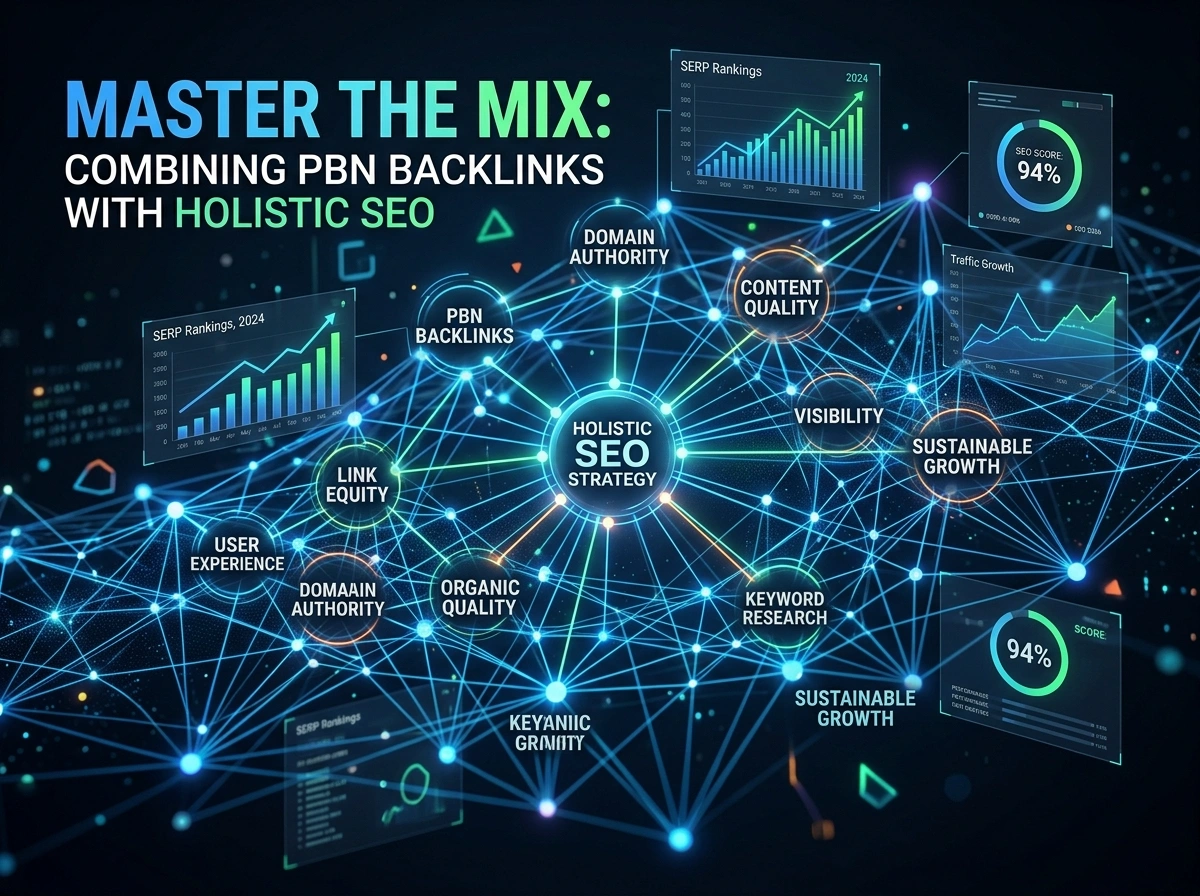
Securing top positions on search engine results pages requires a robust and authoritative link profile. Many website owners struggle to push their pages past the second page of search results, even when they produce excellent content. They often find that natural link acquisition is simply too slow to keep up with aggressive competitors.
A holistic search engine optimization strategy involves multiple moving parts. You need flawless technical foundations, engaging content, and a strong network of inbound links. While white-hat outreach is highly valuable, it often lacks the precision and speed needed to dominate difficult niches. This is where advanced tactics come into play. By blending different link-building methods, you can create a resilient and highly effective search presence.
This guide explores exactly how to integrate private blog networks into your broader marketing efforts. You will learn how to balance aggressive link acquisition with content marketing, social media signals, and technical optimization to achieve sustainable organic growth.
Understanding Private Blog Networks (PBNs)
A Private Blog Network is a collection of high-authority websites used primarily to build links to a central target website. These networks are typically built on expired domains that already possess significant trust and link equity from years of prior existence. Network owners carefully restore these domains, post relevant content, and embed strategic outbound links.
The primary advantage of using a private network is absolute control. Traditional outreach campaigns are unpredictable. You cannot easily dictate the anchor text, the surrounding content, or the exact placement of your link. High-quality pbn backlinks allow you to optimize your anchor text ratios perfectly, ensuring maximum relevance without triggering algorithmic penalties. They provide a rapid injection of authority that is often difficult to achieve through standard methods alone.
The Importance of a Diversified Backlink Profile
Search engines constantly analyze the origins of your inbound links to determine their authenticity. If your entire backlink profile consists of a single type of link, it raises immediate red flags. A natural link profile looks messy. It includes a mix of high-authority editorial mentions, niche directory listings, social media shares, and standard blog comments.
Integrating private blog networks requires a careful approach to diversification. You should use these powerful links to boost your most important commercial pages, while simultaneously running outreach campaigns to acquire standard editorial links. This blending technique dilutes the footprint of your private network. When search engine algorithms review your site, they see a natural variety of link sources, which protects your rankings from sudden volatility.
Combining PBNs with Content Marketing
Great content serves as the foundation of any successful digital marketing campaign. It attracts users, keeps them engaged, and encourages natural sharing. However, even the best content can remain invisible without an initial push.
You can use private network links to provide that initial spark. When you publish a comprehensive cornerstone guide on your website, you can direct a few highly relevant, authoritative links toward that specific URL. This signals to search engines that your new content is valuable and deserves immediate attention. As the page climbs the search rankings, it gains visibility. This increased visibility leads to real users discovering your work and linking to it from their own websites organically.
This synergistic approach ensures you get the most out of your content creation budget. The private links push the content to the top, and the quality of the content keeps it there by generating natural user engagement.
Integrating PBNs with Social Media Signals
Social signals play a critical role in validating your website’s popularity. When a page receives a sudden influx of powerful backlinks, search engines look for corroborating evidence that the page is actually gaining traction. A corresponding increase in social media activity provides exactly that evidence.
Whenever you build new links to a page, you should also initiate a social media campaign. Share the target URL across your Facebook, Twitter, and LinkedIn profiles. Encourage your followers to engage with the post through likes, comments, and shares. You can even run small paid social campaigns to drive immediate, targeted traffic to the page. The combination of strong inbound links and active social sharing creates a highly credible ranking signal.
Technical SEO and PBN Link Efficacy
Link building will not fix a broken website. Before you invest resources into acquiring powerful links, your site must be technically flawless. Search engine crawlers need to easily navigate your architecture, understand your content hierarchy, and access your pages quickly.
Start by optimizing your site speed. Compress heavy images, leverage browser caching, and minimize bulky code. Ensure your website is fully responsive and functions perfectly on mobile devices. Fix any broken internal links and eliminate unnecessary redirect chains. When your technical foundation is solid, every inbound link you acquire transfers maximum equity to your pages. A fast, well-structured site amplifies the ranking power of your entire link profile.
Balancing PBNs with Guest Posting and Outreach
Guest posting remains one of the most reliable ways to secure contextual links from real, traffic-generating websites. While it requires significant time and negotiation, the resulting links are highly trusted by search algorithms.
To create an unstoppable search strategy, balance your private network usage with active guest posting. Use outreach to secure links to your homepage and informational blog posts. This builds broad domain authority and trust. Reserve your private network links for your highly competitive, revenue-generating service or product pages. This targeted application ensures you are using your most controllable assets where they matter most, while your outreach efforts build a safe, natural-looking foundation.
Risk Management and Best Practices
Using advanced link-building tactics always carries a degree of risk. Mitigating that risk requires strict adherence to footprint management and quality control.
If you are building your own network, you must use different registrars, diverse hosting providers, and unique IP subnets for every site. The network sites should feature different content management systems and premium themes. Never interlink your network sites, and strictly limit the number of outbound links on each domain.
If you choose to purchase links from a vendor, insist on transparency regarding their security protocols. The content surrounding your link should be well-written, topically relevant, and unique. Quality must always take precedence over quantity. Five links from highly secure, authoritative domains will always outperform fifty links from a poorly managed, spammy network.
Measuring the Impact of a Combined Strategy
You cannot optimize what you do not measure. Tracking the results of your combined SEO efforts is essential for understanding your return on investment and refining your future tactics.
Monitor your keyword rankings closely using accurate tracking software. Watch for upward movement in the weeks following a new link placement. Look beyond just rankings and analyze your organic traffic volume. Are you seeing an increase in visitors to the pages you targeted? Finally, measure your conversion rates. The ultimate goal of improved visibility is increased revenue. If your traffic is growing but your sales are stagnant, you may need to adjust your keyword targeting or improve your on-page user experience.
Next Steps for Your SEO Strategy
Successfully dominating search results requires a multi-faceted approach. By combining the raw power and control of private networks with content marketing, social validation, and technical excellence, you can build an insurmountable lead over your competitors.
Start by conducting a thorough audit of your current link profile and technical foundations. Identify your most valuable keywords and map them to specific target pages. Once your strategy is clear, begin layering your link acquisition methods carefully. Monitor your progress, adjust your anchor text ratios as needed, and stay consistent with your content production. With patience and precision, this holistic approach will drive sustainable, long-term organic growth for your business.
