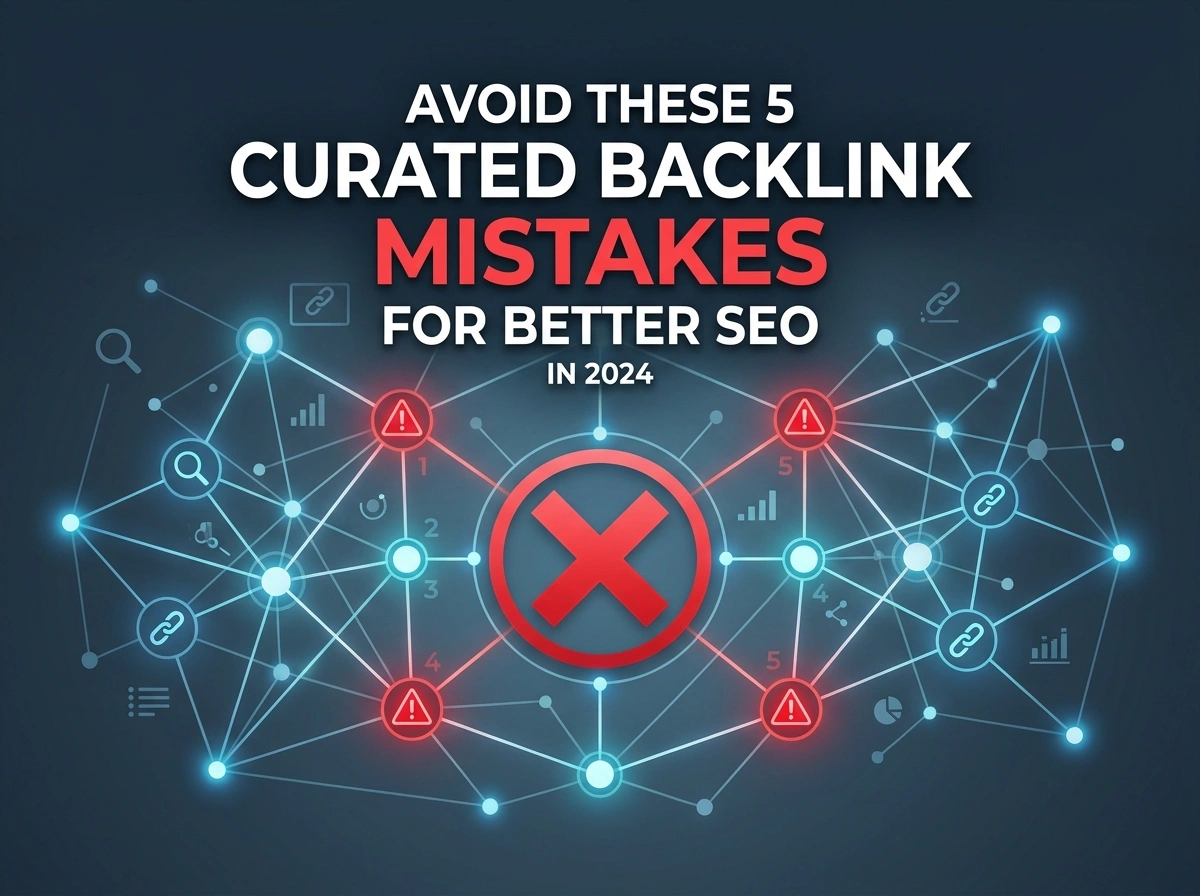
Search engine optimization constantly evolves, yet link building remains a foundational pillar for achieving high rankings. Among the most effective strategies today are niche edits, which involve placing your links into existing, aged content that search engines already trust. This method bypasses the dreaded sandbox period entirely, allowing link equity to flow immediately to your web pages.
However, acquiring these valuable placements requires careful execution. Many website owners and digital marketers rush into outreach campaigns without a solid strategy, leading to wasted budgets or, worse, algorithmic penalties. Building a strong backlink profile is a delicate process that demands strict quality control and a deep understanding of search engine guidelines.
If you want to leverage aged posts to accelerate your search rankings, you need to know exactly what pitfalls to avoid. We will explore the most frequent errors marketers make during outreach and provide actionable strategies to secure high-quality placements that actually move the needle for your organic traffic.
Understanding the Importance of Quality Over Quantity
Years ago, digital marketers could rank websites simply by pointing thousands of low-quality links at a domain. Search algorithms have become significantly smarter since then. A handful of placements on authoritative, strictly vetted domains will now easily outperform hundreds of links from obscure, low-traffic blogs.
Focusing on quality ensures that every link passes meaningful equity and context to your site. High-quality placements signal to search engines that your content is a trusted resource recognized by other legitimate websites. Chasing sheer volume usually leads to acquiring toxic links that can trigger manual actions or algorithmic downgrades, ultimately destroying your hard-earned search visibility.
Common Mistake 1: Ignoring Niche Relevancy
Securing a link on a website with massive traffic might seem like a huge win. But if that website covers automotive news and your business sells organic coffee, the link loses its value. Search engines use the surrounding content and the host domain’s overall theme to understand your website’s context.
Placements inside content that topically matches your niche signal strong authority. When you ignore relevancy, you confuse search algorithms about what your site actually does. Always ensure that the domains you target share a logical, thematic connection with your own industry.
Common Mistake 2: Over-Optimizing Anchor Text
Anchor text—the clickable words that contain your hyperlink—tells search engines what the target page is about. Because of this, marketers often try to use exact-match commercial keywords for every single link they build.
Using the exact same keyword repeatedly looks highly unnatural. Search algorithms monitor anchor text velocity and ratios to detect manipulation. To keep your backlink profile safe, use a healthy mix of branded terms, naked URLs, generic phrases, and partial-match keywords alongside your primary targets.
Common Mistake 3: Neglecting Site Authority and Traffic
A website might look great at first glance, but looks can be deceiving. Securing a placement on a site with zero organic traffic provides little to no SEO benefit. Aged posts only pass valuable equity if search engines actually visit and trust that domain.
Before requesting a niche edit, use SEO tools to verify the site’s metrics. Look for domains with a minimum Domain Authority (DA) of 40 and thousands of monthly organic visitors. A steady or growing traffic trend indicates a healthy site, whereas a sharp traffic decline often points to a recent search engine penalty.
Common Mistake 4: Using Low-Quality or Spammy Sites
The internet is filled with private blog networks (PBNs) and link farms designed solely to sell placements. These sites often feature scraped content, poor design, and massive outbound link ratios.
Associating your website with these toxic neighborhoods puts your entire organic search strategy at risk. Always conduct a strict quality check. Avoid sites that openly advertise “write for us” pages with pricing attached, and verify that the domain has a low spam score before proceeding with any editorial placement.
Common Mistake 5: Failing to Diversify Link Profiles
Relying entirely on a single type of link building creates an unnatural footprint. If 100% of your incoming links are niche edits from sidebar menus or author bios, search engines will quickly identify the pattern.
A natural backlink profile includes a variety of link types. Combine your aged content placements with digital PR, high-quality guest posts, resource page links, and unlinked brand mentions. This diversity protects your site against future algorithm updates and shows search engines that your brand is gaining traction organically across the web.
Best Practices for Building Curated Placements
Successful link acquisition starts with a strategic foundation audit. Analyze your entire backlink profile to identify exact link gaps, target URL priorities, and potential toxic risks before reaching out to a single publisher.
When you begin prospecting, filter out anything that doesn’t meet strict traffic and authority metrics. Negotiate directly with webmasters to ensure your link is added contextually within the aged article. If you lack the time or resources to manage this outreach manually, consider working with an experienced agency that provides Curated backlinks to handle the strict vetting and negotiation process for you.
How to Monitor and Maintain Your Backlink Profile
Link building does not stop once a placement goes live. Webmasters update their content, sites change hands, and links occasionally get removed or altered to “nofollow” status.
Set up a tracking dashboard or use premium SEO tools to monitor your live links regularly. Set up automated alerts to notify you if a high-value link drops so you can reach out to the publisher immediately. Routine audits will also help you identify and disavow any negative SEO attacks or spammy links pointing to your domain.
Protecting Your Search Engine Rankings
Securing placements in aged, authoritative content remains one of the fastest ways to improve your organic visibility. By inserting your links into pages that Google already trusts, you bypass the waiting game associated with new content.
Achieving these results requires strict adherence to quality guidelines. Prioritize contextual relevance, maintain natural anchor text ratios, and aggressively filter out low-traffic link farms. By avoiding these common link building mistakes, you can build a resilient, powerful backlink profile that drives sustainable organic growth for years to come.
