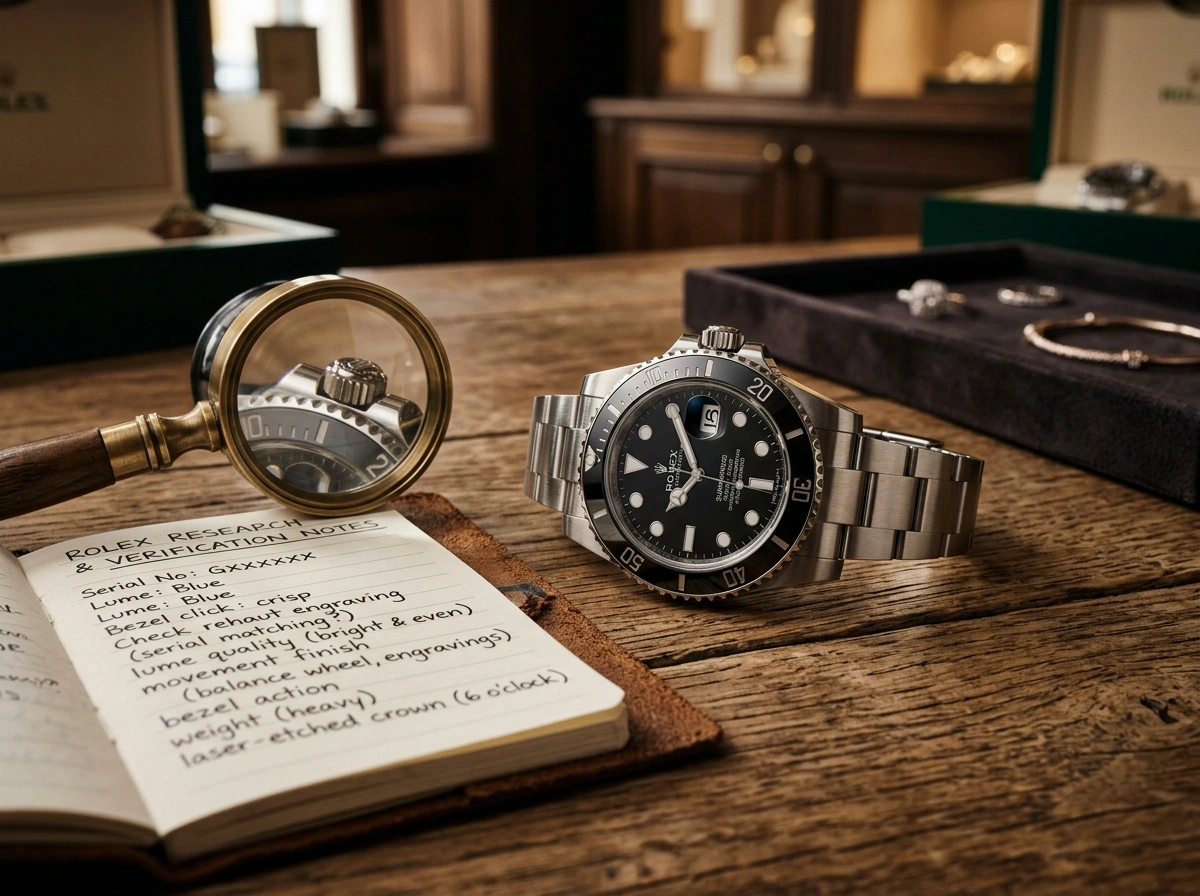
Replica watches sit in a tricky corner of the market. They promise the look of a luxury icon at a fraction of the price, but they also attract dishonest sellers who count on inexperienced buyers. If you’re new to this space, the risk of losing your money to a scam is very real.
This guide walks you through the essentials. You’ll learn how to spot warning signs, vet sellers, judge quality, and protect your payment. The goal isn’t to push you toward a purchase. It’s to help you make a careful, informed decision and reduce your chances of being cheated.
Understanding What You’re Actually Buying
Before spending a single dollar, get clear on what a replica is and what it isn’t. A clone watch is not a genuine Rolex. It’s an imitation built to resemble the original, and the quality can swing wildly from poor knockoffs to high-grade reproductions.
The term “super clone” usually refers to the higher tier of these reproductions. Sellers use it to suggest better materials, more accurate movements, and closer attention to detail. The phrase carries no official standard, though, so anyone can slap it on a low-quality product. Treat the label as marketing, not proof.
Why Beginners Get Targeted
New buyers tend to research less, trust flashy photos more, and feel pressure to act fast. Scammers know this. They build websites that look professional, post stolen review screenshots, and offer prices that seem too good to ignore. Recognizing these tactics is your first line of defense.
Next, let’s look at the red flags that should make you pause.
Red Flags That Signal a Scam
Most scams share a handful of common signals. Once you learn to spot them, you can filter out bad sellers quickly.
- Prices far below the market norm. If everyone else sells a model for $400 and one site lists it at $90, be suspicious. Deep discounts often mean no product ever ships.
- No clear contact information. Legitimate sellers provide a real email, response channel, or support page. A site with only a checkout button is a warning.
- Pressure tactics. “Only 2 left” or “offer ends in 10 minutes” countdowns are designed to rush you past your own judgment.
- Stock photos only. Sellers who refuse to share real, in-hand images of the exact item often have nothing to sell.
- Brand-new sites with no history. A domain registered last month with zero track record deserves caution.
If you notice two or more of these signs, walk away. There’s always another seller.
Doing Your Due Diligence
Research separates confident buyers from easy targets. Spend time before you spend money.
Verify the Seller’s Reputation
Search the seller’s name alongside words like “scam,” “review,” and “experience.” Read what real customers say on independent forums rather than testimonials posted on the seller’s own site. Watch communities dedicated to this hobby, since members openly share which sellers ship reliably and which disappear with payments.
For broader context on models, materials, and what separates a credible reproduction from a poor one, enthusiast resources such as rolex super clone can help you build baseline knowledge before you commit.
Test Their Communication
Send a question before buying. Ask about materials, shipping times, or return policies. A trustworthy seller answers clearly and promptly. Vague, evasive, or copy-paste replies suggest you should look elsewhere.
Confirm a Track Record
Look for sellers who have operated for a meaningful period and have a consistent pattern of positive feedback. Longevity isn’t a guarantee, but it’s a stronger signal than a brand-new operation with glowing reviews that all appeared the same week.
With the seller vetted, you can turn your attention to the product itself.
How to Evaluate Quality Before Buying
You can’t hold the watch in your hand before purchase, so you have to judge quality through evidence the seller provides.
- Request real photos and videos. Ask for current images of the actual item, ideally with timestamps. Video of the watch running tells you more than a single still shot.
- Check movement details. Higher-tier reproductions describe their movement type. Sellers who can explain what powers the watch generally know their product better than those who dodge the question.
- Inspect finishing in close-ups. Look at the dial text, date alignment, bezel action, and bracelet links. Sloppy printing or crooked components signal lower quality.
- Compare against reference images. Pull up trusted photos of the genuine model and compare proportions, fonts, and color tones.
A seller confident in their product welcomes these questions. One who resists is hiding something.
A Quick Mini-Scenario
Imagine two sellers. The first sends a 30-second video of the watch, answers your movement question in detail, and shares a clear return policy. The second offers only one glossy photo, dodges specifics, and pushes a discount that expires tonight. The choice is obvious, even before money changes hands.
Once you’ve judged quality, protect the transaction itself.
Payment and Shipping Precautions
How you pay matters as much as who you buy from. Smart payment habits give you recourse if things go wrong.
- Favor methods with buyer protection. Payment options that let you dispute a charge or open a case offer a safety net that wire transfers and gift cards never will.
- Avoid irreversible payments. Cryptocurrency, money transfers, and prepaid cards are favorites among scammers precisely because you can’t claw the money back.
- Keep all records. Save your order confirmation, every message, and any agreed terms. Documentation strengthens your position in a dispute.
On the shipping side, confirm a few details up front. Ask whether you’ll receive tracking, how long delivery usually takes, and who handles customs issues. Sellers who provide tracking numbers and realistic timelines are more reliable than those who go silent after payment.
What If Something Goes Wrong?
If a package never arrives or the item differs sharply from what was promised, act fast. Contact the seller first with your records in hand. If they ignore you, open a dispute through your payment provider while the window is still open. Speed and documentation are your best tools.
Common Mistakes to Avoid
Even careful buyers slip up. Keep these traps in mind:
- Letting price override judgment. The cheapest option often costs the most when nothing arrives.
- Skipping the research step. Five minutes of searching can save you a painful loss.
- Ignoring your gut. If a deal feels off, it usually is.
- Paying through untraceable methods. Convenience now can mean zero recourse later.
Avoid these, and you’ll already be ahead of most first-time buyers.
Frequently Asked Questions
Is a “super clone” guaranteed to be high quality?
No. The term has no official standard. Judge quality through photos, videos, and seller responses, not the label.
How can I tell a trustworthy seller from a scammer?
Look for a real track record, responsive communication, in-hand media, and payment methods that offer buyer protection.
What’s the safest way to pay?
Choose methods that allow disputes and refunds. Steer clear of irreversible options like crypto or money transfers.
What should I do if my order never arrives?
Gather your records, contact the seller, and open a dispute through your payment provider before the claim window closes.
Conclusion
Buying in this market comes down to caution and homework. Understand exactly what you’re purchasing, watch for the red flags, and vet every seller through independent reviews and direct contact. Judge quality through real media and detailed answers, then protect yourself with smart payment choices and full documentation.
No single step guarantees a flawless experience, but stacking these habits dramatically lowers your risk. Start by researching sellers and reading community feedback before you ever reach the checkout page. A patient, informed buyer is the hardest target a scammer can face.
